

5 Signs a Chew Tool Might Help at School
28th Jul 2026
A new school year asks a lot of kids. New routines, new noise, new expectations, long stretches of sitting still, and far fewer chances to move than summer allowed. For a lot of people, chewing is one of the ways the nervous system stays steady through all of that. It's a normal, useful thing to do, and it tends to show up more when there's more to manage. Below are five signs that a chew tool ma
…
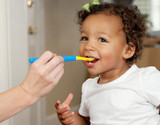
Understanding Food/Oral Aversions and How to Help
1st Jul 2026
Mealtime should be one of the easier parts of the day. For some families, it's the hardest one.
Maybe your child clamps their mouth shut the second the spoon comes near. Maybe they gag at the sight of anything lumpy, or live on the same short list of safe foods (beige, crunchy, predictable) and panic at anything new. Maybe the food goes in and then just sits there, or gets pocketed in the cheeks w
…
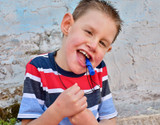
Finger, Knuckle, and Hand Chewing: How to Help
19th May 2026
Hand and finger chewing are one of the most common things we get questions about at ARK. Why? Because our hands and fingers literally go with us everywhere! For kids and adults who chew on their fingers, knuckles, or the fleshy parts of their palms, that constant availability is exactly the point - the body itself becomes the chewing outlet.
In that sense, finger and hand chewing is the most strip
…

What Supporting Neurodivergent Brains Actually Looks Like
Posted by Katie Zelinski, MS, OTR/L on 29th Apr 2026
As an Occupational Therapist, I often get the question "What are the best ways to support regulation for my Autistic, ADHD, or [insert neurodivergence here] child?" And I have to be honest. My reply is always "it depends." There is no one right way to support every single child. While there are some universal strategies that generally help, every child has a different brain, a different body, and
…