
Why Does My Child Chew on Toys?
17th Jun 2026
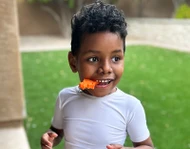
If you've ever found teeth marks on an action figure, a building block with a corner chewed off, or a toy car that looks like it's been around the racetrack a few too many times, you're in the right place. Kids who chew on their toys during play or any time throughout the day are doing something that makes a lot of sense once you understand the need behind chewing. For most kids, chewing on toys (or other non-food items) is a sign that the sensory system is needing a little extra support.
.
Why Play and Chewing Go Together
Engaged, imaginative play is cognitively demanding. Kids are focusing, managing multiple pieces, making decisions, processing sensory input from the environment all at once. For children with higher oral sensory needs, getting "in the zone" like this and concentrating can trigger the urge to chew. The mouth is fast, reliable, and always accessible as a source of proprioceptive input, and deep pressure feedback through the jaw can help the nervous system organize itself and stay regulated.
Why Taking the Toy Away Doesn't Solve It
The instinct when you find a chewed-up action figure may be to remove the toy and encourage the child to stop. Which makes sense, but the problem is that that addresses the outlet, not the need. So the child will just find the next closest thing to chew on instead - another toy, a shirt sleeve, their fingers, etc. The need doesn't go anywhere just because the specific object does.
The more effective approach is to meet the sensory need with something designed for it, aka giving the child something they're actually allowed to chew. When a child has something designed for chewing that's more comfortable and sensory-satisfying, toys are usually spared. The nervous system gets what it's looking for through a better channel.
Which Chew Tool to Get to Replace Toys
When recommending a chew tool, we ask what kinds of things the individual already chews on at home. Ideally to help recommend a shape, texture, and/or toughness level that is similar, which helps make the transition to using a chew be a bit more seamless. With that in mind, for kids who chew on their toys, we like recommending a fun shape that they may recognize from their toybox. Here are some of our top picks:
Racecar Chew Necklace. Shaped like a small toy car, this one was genuinely designed with toy-chewing kiddos in mind. It's worn on a cord so it stays close during play, and the fun shape fits right in to imaginative play while being functional and helpful.
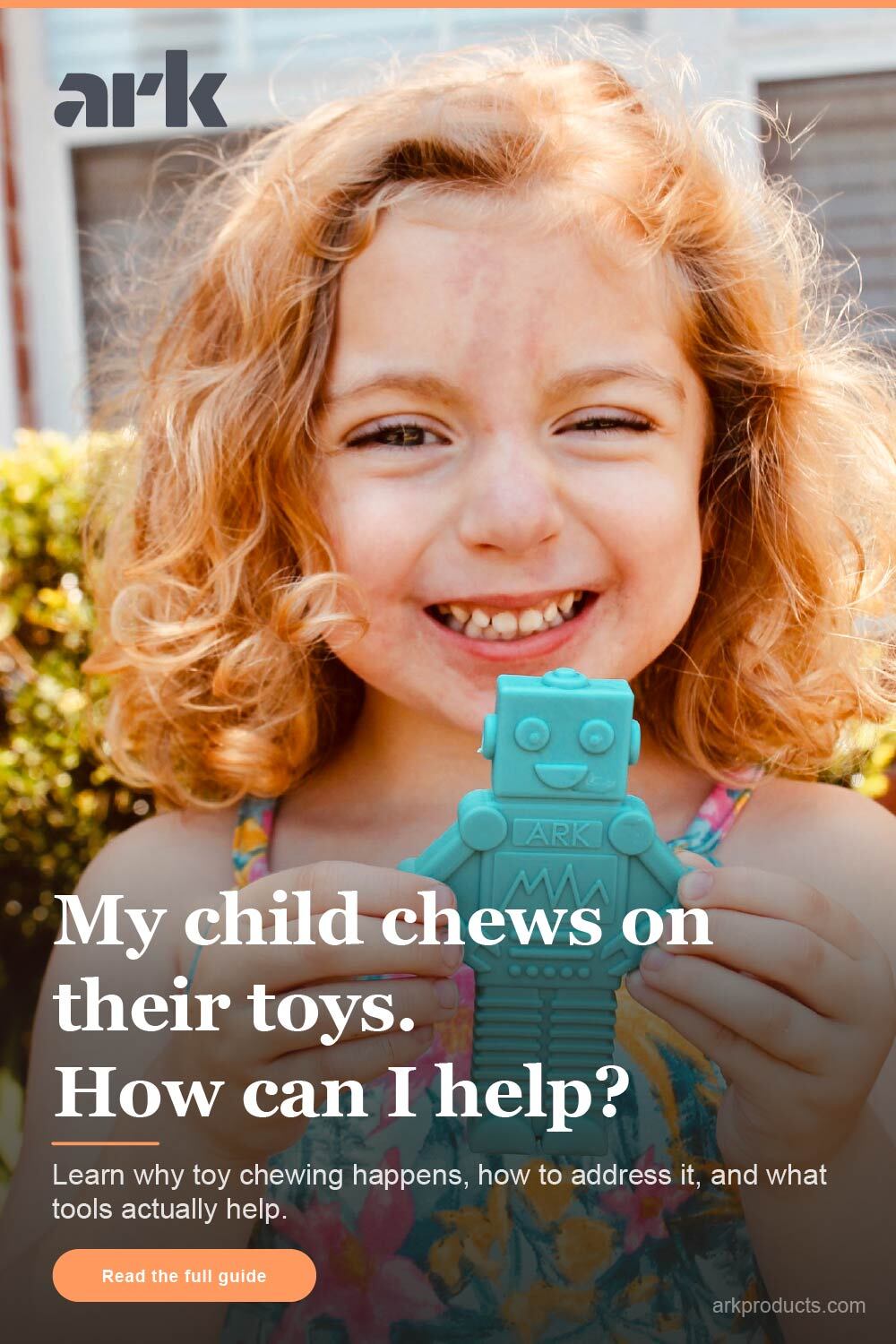
RoboChew™ Sensory Chew Necklace. A chewable robot pendant that fits naturally into play with action figures, building sets, or anything in the sci-fi and adventure category. Like the Racecar, it's worn as a necklace which means it's on the child's body and available the moment the urge appears, without requiring anyone to hand it over. There's also a larger "Mega" version of the RoboChew that's a great option for younger kids or stronger chewers.
Brick Stick® Textured Chew Necklace. For kids who gravitate toward building toys, the Brick Stick's block-like shape with large bumps on one side and small bumps on the other is a natural fit. It's also one of ARK's most versatile chews because the long, slender shape reaches the back molars where chewing tends to feel most satisfying and deliver the most input.
Fun shapes like the Chewnicorn Necklace, Fairy Princess / Star Wand, and Magic Wand can double as chews and props in imaginative play. Wave your magic wand to cast a spell, and use it as a chewy for sensory regulation too! If you're not sure what to choose (or if you'd just like to try a variety), we created our Save Your Toys pack specifically with kids who chew on their toys in mind.
All three come on adjustable breakaway cords, which means they stay with the child throughout play without getting lost in the toy bin. And all three come in three toughness levels (standard soft, XT medium-firm, and XXT extra tough) because the intensity of oral sensory needs varies a lot from child to child. A kid who's chewing through toys quickly likely needs a firmer option; a gentler chewer can start with standard.
A Few Tips for Making the Redirect Stick
Introducing a chew tool works best when it becomes part of the routine rather than a reaction to a problem. A few things that help:
Put it on before chewing happens. Rather than handing the tool over after you find your child chewing a toy, have it available to them before (for example, wear it before playtime, put it on before a long car ride, or any other time you tend to notice them chewing).
Let the child pick the shape. Kids are much more likely to use a chew tool they chose themselves. If you can, give them a couple of options and let them decide which one they want to wear. Having some ownership over the tool helps.
Be consistent and patient with the redirect. When you see a toy going toward the mouth, the prompt is simple: "chew on your chewy instead." Not a big deal, not a correction, just a redirect. Over time, with consistency from everyone around the child (parents, teachers, siblings if they're around), the new habit tends to settle in. It usually takes a few weeks of consistent reminding before it becomes automatic.
Make sure the toughness level is right. If the child doesn't seem satisfied by the chew tool and keeps going back to toys, it may be a mismatch in intensity rather than resistance to the redirect. Try stepping up to the next toughness level and see if that changes things, or reach out to ARK customer service for help - we love giving recommendations and offering support.
When to Loop In a Therapist
For most kids, a well-matched chew tool and consistent redirection is enough. But if the chewing is intense or frequent enough to feel like it's getting in the way of play itself for example, or if toy chewing is one piece of a larger sensory picture, it may be worth talking to an occupational therapist. An OT can help figure out what's driving the behavior and build a sensory diet; a personalized plan for getting the right kinds of input throughout the day.
About ARK Products — Founded by a speech-language pathologist and an engineer, ARK has spent over 25 years designing tools and resources for oral motor therapy, feeding, and sensory needs. All ARK products are made in the USA from food and medical-grade materials. Questions? Reach out anytime at support@arkproducts.com.
Related Reading:
- Why Does My Older Child Chew on Everything?
- 10 Tips for Kids Who Need to Chew
- My Child Won't Stop Chewing on Their Shirt — What's Going On?
Not sure which tool fits your child's needs? Take our Chew Quiz →