

Remixing Therapy: Why Changing Routines Can Be Helpful
Posted by Biancha Diaz, MS, CCC-SLP on 26th May 2026
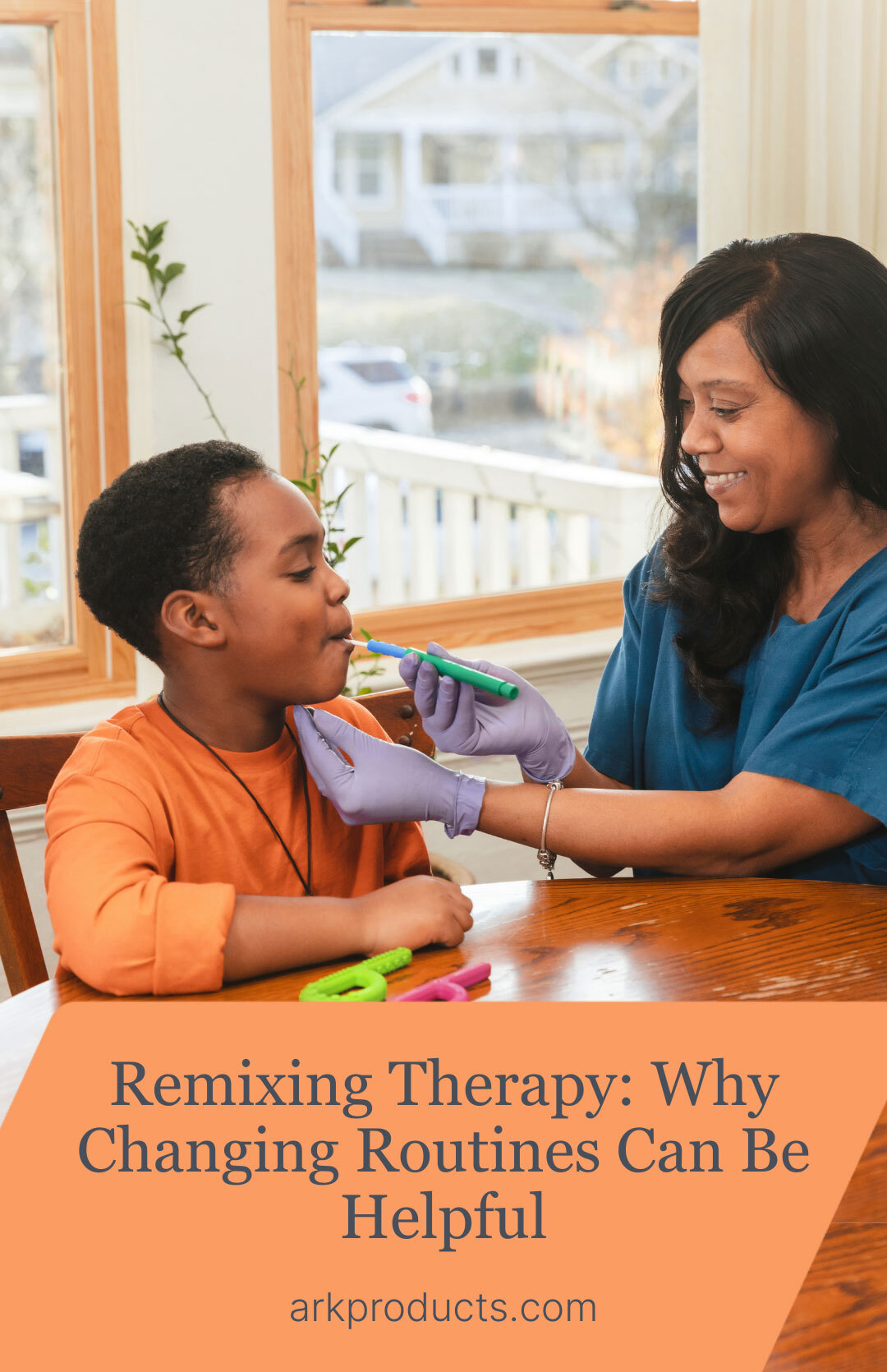
You know that patient who can do everything in therapy, but doesn’t generalize the skill at home? They request, imitate, take bites, tolerate new experiences and show you new skills, but then leave your room, and it all *poof* disappears. Different spaces and different expectations equal completely different outcomes. It’s frustrating, and it’s easy to assume the skill is not there. But, that is not the full story. This is something I see all the time in therapy. Sometimes it is not that the child can’t do it, it’s that the environment doesn’t support it. But…when we change the environment, we often change the child’s outcome.
Clinicians spend so much time focusing on what we are targeting that we forget to think about where it is happening. Children do not learn skills in isolation, they learn them within context. Their regulation, sensory processing, attention, and comfort are all tied to the environment around them. A child sitting at a table under bright lights with a demand placed on them is having a very different sensory experience than that same child sitting on a blanket outside, eating a snack with no pressure. Same goal, very different nervous system response. In feeding therapy especially, this matters. If a child feels dysregulated, pressured, or overstimulated, their body isn't available for exploration or learning. That is when we see refusal, shutdown, or escape. When we shift the environment, we can lower the pressure without changing the task.
For a long time, therapy = structure = reaching goals. Sit at the table, present the activity, work through it step by step, reach goals. Now, that does work for some kids, but it’s not one size fits all. When we stay rigid, we miss opportunities for connection, engagement, and real carryover. Real life does not happen at a therapy table. Kids eat at school, the park, the beach, on the couch, and everywhere in between. So if these tasks are happening everywhere, why are we only practicing in one place? When we change the setting, we can see skills emerge more naturally and authentically with less pressure.
So, this summer, let’s mix it up! Here are some places we can continue to reach our goals while enjoying time away from our typical routines.
.
At the beach:
The beach is full of built-in sensory experiences. Sand, movement, sound, smell and open space. You can target language through play without it feeling like work. Asking for tools, describing actions, sequencing steps like dig, pour, fill, and dump. For feeding, this can be a great place for low-pressure exposure. Snacks on a towel, sitting side by side instead of face to face, and exploration without the intensity of the table. Even something like tactile play with sand before food exposure can help regulate the system and make snacks feel more manageable. Bringing something like the ARK Grabber can give the child a familiar oral sensory input option in a new setting, helping them stay regulated while exploring both play and food.
At the pool:
The pool naturally supports breath control, which ties directly into speech and feeding. Blowing bubbles, taking turns, requesting “more” or “go,” can be done all in a playful and motivating activity. You can also work on oral motor skills in a way that feels completely natural. Blowing, lip closure, and breath support all happen within play. For some kids, the calming input of water can help bring their system into a more regulated state before transitioning to feeding. A tool like the ARK Z-Vibe can be used poolside before or after water play to support oral awareness and provide organizing input in a way that feels less clinical and more integrated into the routine.
In the backyard or a grassy picnic:
Something as simple as moving outside can change everything. A child who refuses bites at the table may be more open to explore during a picnic-style setup. Sitting on a blanket with less direct eye contact could result in less perceived pressure. This is also a great place to bring familiar, portable supports into a new context. Using something like an ARK Bite Tube can give the child a regulating oral input option while they are moving, playing, and transitioning between bites. Same support, different experience. Movement can also be naturally embedded. Run, jump, skip, and then come back for a bite. This supports regulation and makes the experience feel less forced.
Ice cream or smoothie outings:
Cold temperatures and different textures are a great way to explore sensory input without it feeling clinical. Ice cream, smoothies, milkshakes, popsicles or frozen yogurt all provide opportunities to experience temperature, thickness, and flavor in a way that feels like a treat rather than therapy. You can target describing flavors, requesting, commenting, and making choices between flavors or toppings. For some kids, this is also a great opportunity to work on straw drinking, spoon use, lip closure, and pacing. Even just interacting with the spoon, holding the cup, or taking a small taste counts as exposure and participation. The goal is not finishing the treat, it’s interacting with the experience. Tools like an ARK proSpoon can help support lip closure and acceptance, and an ARK Bear Bottle can be used to help organize the mouth for drinking thicker textures. Because the environment is fun and low pressure, many kids are more willing to try something new.
In Conclusion
When we change environments, we do not have to remove structure completely. Portable tools can help bridge the gap between familiar and new. Something as simple as bringing a preferred cup, a chewy, or an oral sensory tool into a new space can provide just enough predictability for a child to feel safe exploring. These supports are not the focus, but they can make the transition into new environments smoother and more successful. The goal is to support regulation, participation, and confidence as we expand where therapy can happen.
So, this summer, remember, therapy does not have to look the same every time to be effective. In fact, some of the most meaningful progress happens when we step outside of our usual setup. If something is not working, before changing the goal, try changing the environment. Move to the floor. Go outside. Sit side by side. Bring the same supports into a new space. Sometimes the smallest shift in setting creates the biggest shift in engagement…and that is where the real progress begins!
.
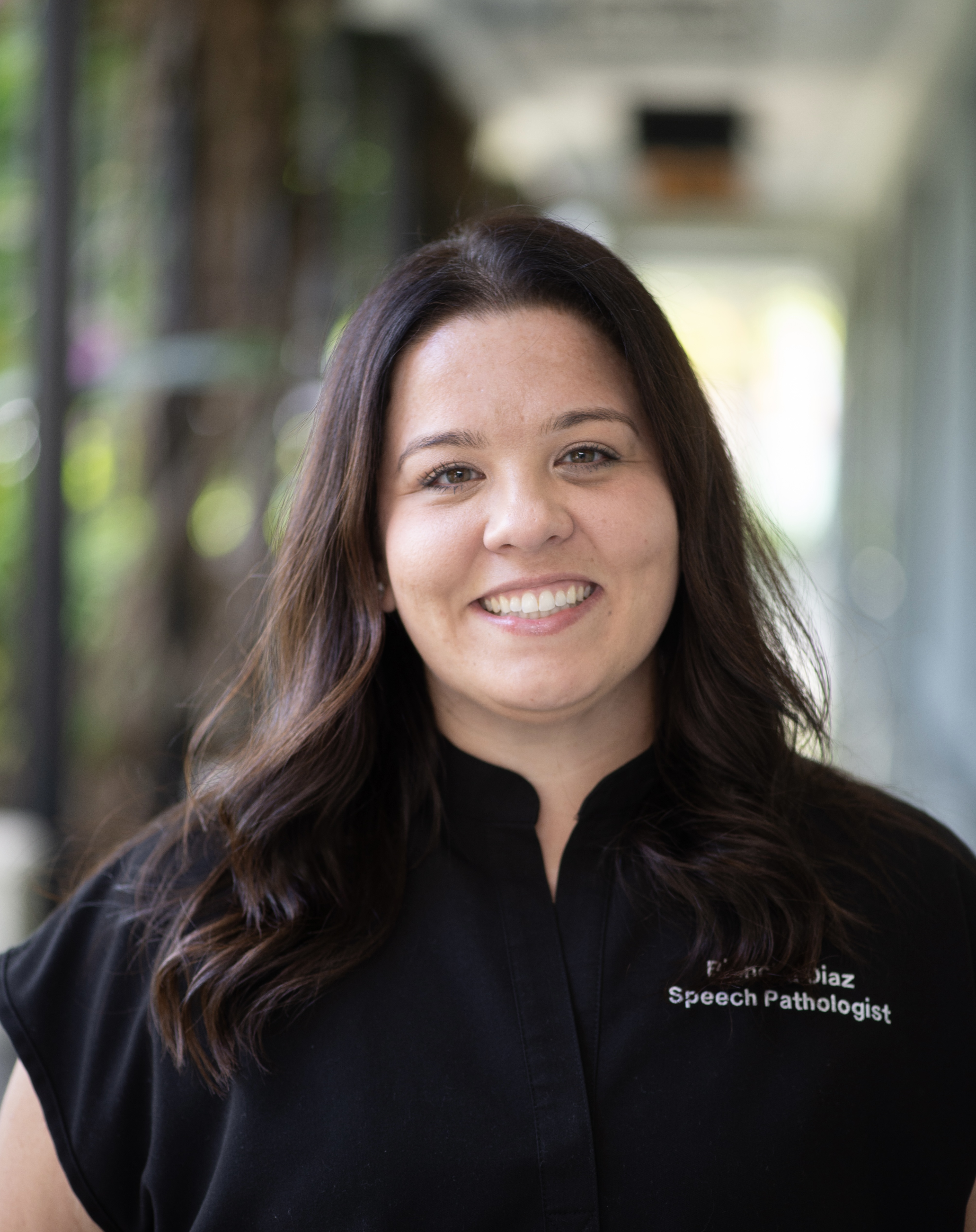
Biancha Diaz, MS, CCC-SLP, is a bilingual pediatric speech language pathologist specializing in feeding therapy. She is passionate about helping children build safe, positive relationships with food while supporting communication and sensory development. Biancha shares practical, real-life strategies for clinicians and caregivers through her platform @btheslp, where she blends evidence-based practice with creativity and everyday moments.
.