
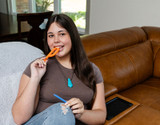
How to Choose a Sensory Tool for School
16th Sep 2026
A school day asks a lot of a body. Sit still, stay quiet, track a voice at the front of the room, tune out twenty-two other people doing twenty-two other things, then get up, move through a loud hallway, and do it again. For plenty of students that's manageable. For plenty of others it takes real effort to hold together, and the effort has to go somewhere.
.
.
That's usually what you're seeing
…

What is a chewing oral fixation, and what helps?
2nd Sep 2026
Fingernails. The inside of your cheek. A pen cap. A plastic water bottle cap. If you've spent a lot of your life reaching for something to bite or chew, you've probably heard it called an oral fixation - it's a familiar phrase, even if you've never used it yourself. What most people don't know is that there's a whole category of tools built specifically for an oral fixation in chewing. We often ca
…
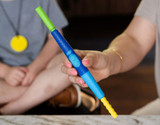
Meet the Z-Vibe® Plus
20th Aug 2026
If you've spent time in an oral motor or feeding session, there's a good chance you already know the Z-Vibe. For more than twenty years it's been the vibrating oral motor tool therapists reach for and families keep coming back to. Today it grows! We'd like to introduce the Z-Vibe Plus.
What the Z-Vibe does
At its heart, the Z-Vibe uses gentle vibration to wake up the mouth. That input helps buil
…

26 Birthday-Themed Oral Motor and Feeding Activities
11th Aug 2026
ARK turns 26 this month! In celebration, here are 26 fun oral motor and feeding activities, all built around things you'd find at a birthday party - candles, frosting, sprinkles, party blowers, cake pops, crunchy snacks, silly faces, etc.
Before you start - keep in mind that food-based activities depend entirely on the individual - allergies, textures they tolerate, and their current chewing
…