

Home for the Holidays: 10 Tips for a Little More Comfort & Joy at the Holiday Table
Posted by Biancha Diaz, MS, CCC-SLP on 4th Nov 2026
The holiday season is filled with traditions, family, travel, and, of course, food. It is also a time when our normal routines can go out the window. Breakfast might happen later, dinner might be served at 2:00 in the afternoon, and somewhere in between, lunch turns into a string of snacks. Families travel, relatives visit, we stay up past bedtimes, and meals happen everywhere from dining rooms to airport floors. And for some children, all of that change is exciting and new. But, for others, this can make eating feel even more challenging.
As a pediatric feeding therapist, during this time of year, I find myself reminding families that eating does not happen on its own. A child's sensory regulation, physical environment, body positioning, daily routine, and sense of predictability can all impact how comfortable they feel around food. During the holidays, many of those things change at once: unfamiliar foods, different brands, new utensils, strong smells, different seating arrangements, and a room full of new people.
So if your child becomes more selective, or relies on familiar foods during the holidays, it does not automatically mean they have lost feeding progress…something else has changed.
Here are some ways to help make holiday eating feel a little more comfortable and predictable.
.
1. Bring Something Familiar
If you are heading to a holiday event and are not sure what foods will be available, bring something your child reliably eats. (Yes, even if that does not match the "holiday menu".) A familiar food can provide predictability in an otherwise unpredictable environment. It also ensures your child has access to something they feel comfortable eating while still being included at the table with everyone else.
2. Familiar Tools Can Help Too
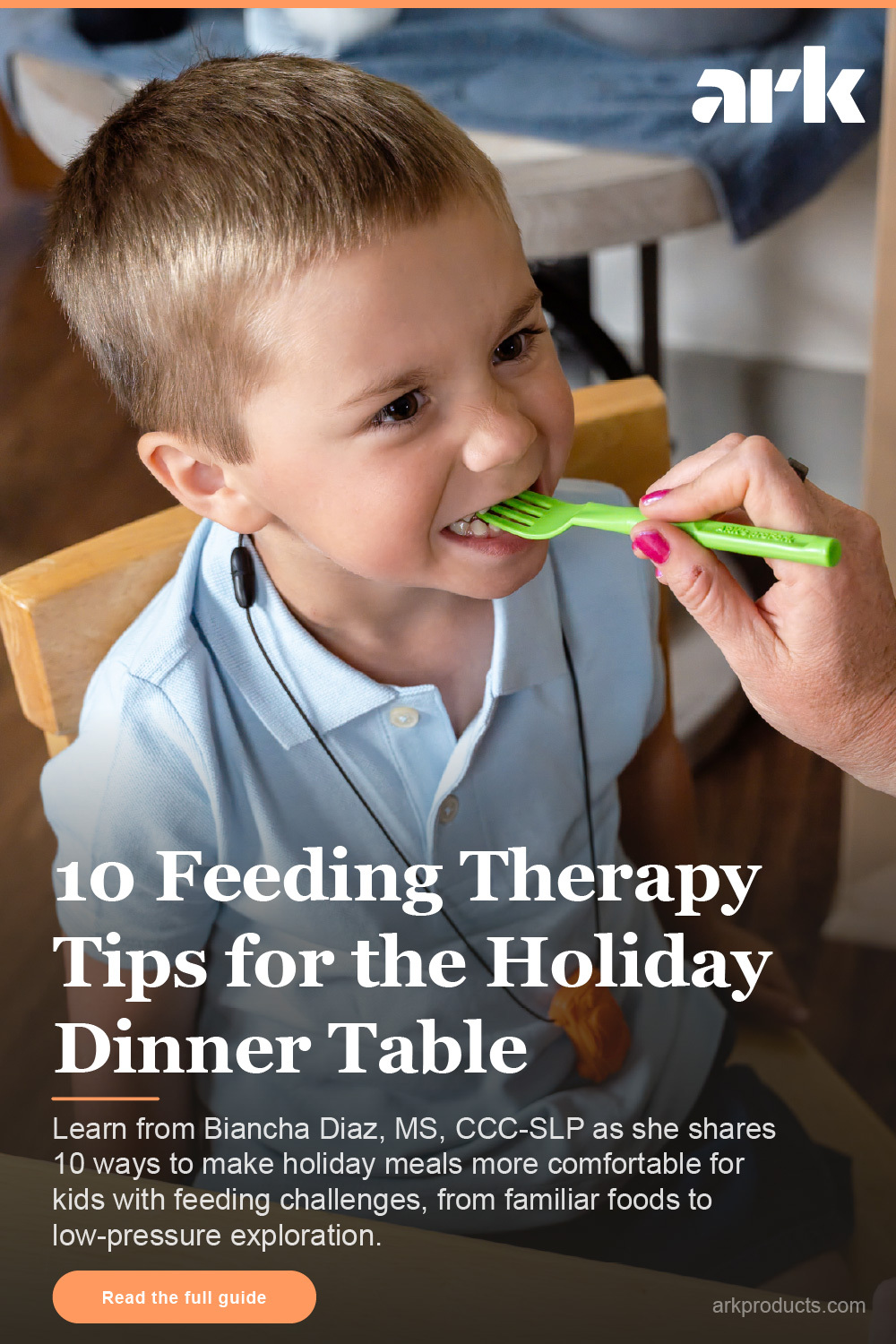
Sometimes comfort comes from more than the food itself. Think about all the little details that are usually consistent during meals at home. Your child may use the same cup, straw, spoon, fork, plate, or other feeding tools every day. Then suddenly, they are handed a strange looking utensil or are expected to drink from a longer straw at someone else's house. This unfamiliarity increases discomfort and decreases appetite. If your child regularly uses an ARK proSpoon, proFork, Flexi Cup, or another feeding tool that works well for them, pack it. A familiar utensil can be one small piece of predictability when everything else about the meal feels different.
3. Preview the Plan
Children often feel more at ease when they know what to expect. Before heading to an event, chat about what the day could look like. "We're going to Aunt Hermi's house. There will be a lot of families there. First we'll play, then everyone will sit down for dinner. I'm bringing your mac and cheese and your cup too." For some children, a simple visual schedule or pictures of where they are going can be helpful. The goal is not to make the day perfectly predictable. Holiday plans change. Chatting about plans is done simply to reduce some of the surprises.
4. Remember That the Environment Matters
Sometimes the biggest feeding challenge at a holiday gathering is not actually about the food, but where the food is being presented. There may be loud laughter, multiple conversations, music blaring, football on the tv, strong smells coming from the kitchen, unfamiliar seating, and unfamiliar relatives coming over to say hello, all happening at once. That is a lot of sensory information to process, especially for a child who usually eats or explores food at home or in the safety of a therapy room. When possible, look for small ways to reduce the load. Maybe your child sits at the end of the table instead of in the middle of a large group. Maybe they need a movement break before dinner. Maybe they eat in a quieter area nearby. Maybe they join the family for part of the meal and then take a break. Supporting regulation is part of supporting feeding.
5. Bring Familiar Sensory Supports
If your child already uses oral sensory tools as part of their established routine, the holidays are not the time to leave those supports at home. For a child who regularly needs an ARK Grabber, Y-Chew, or chew necklace for regulation, or the Z-Vibe as part of their mealtime prep, or another recommended oral sensory tool, having that familiar item available may provide continuity of care when their environment is otherwise unfamiliar. A busy holiday gathering is not the time to introduce a brand-new therapeutic tool or strategy simply because it might help. Stick with tools your child already is familiar with, enjoys, and uses effectively.
As always, therapeutic feeding tools should be used according to the child's individual needs and with appropriate adult supervision.
6. Be Careful With "They'll Eat When They're Hungry"
This is one of the most common pieces of advice families of children with feeding challenges hear. For many children with feeding differences, it simply is not that straightforward. Being hungry does not automatically make a difficult texture easier to chew, an unfamiliar smell less overwhelming or an unknown environment more comfortable. Rather than relying on hunger to encourage a child to eat something new, give them access to foods they can eat. New or less familiar foods can still be present, but exposure does not have to mean taking a bite.
7. Build in Breaks
Holiday gatherings can be sensory sprints all the way to meltdown marathons. By the time dinner is served, a child may have already navigated travel, met unfamiliar people, experienced new surroundings and felt a lot of excitement. If your child is becoming overwhelmed before the meal even begins, eating may become even more of a challenge. A little quiet time away from the crowd can help some children regulate. And during a long holiday meal, they may need to leave the table before everyone else is finished. Reminder: that is okay. Sitting through a two-hour holiday dinner is not a feeding skill.
8. Give Relatives a Heads Up
You may have a feeding approach that works beautifully for your child, only to arrive at a family gathering and hear: "But they haven't tried my rice!", "It's just one little bite, it won't hurt!", "I bet I can make them eat." Most of these comments come from people who love your child and simply may not understand their feeding needs. A quick conversation beforehand can help: "We're keeping meals low pressure right now, so please don't ask them to take bites or comment on how much they're eating. We love you and thank you for your support." You do not owe everyone a detailed explanation of your child's feeding history.
9. Keep Exploration Low Pressure
Holiday tables are full of foods children may not encounter very often, from cranberry sauce to stuffing…your child does not have to consume those foods to begin learning about them. Maybe they help scoop potatoes onto someone else's plate. Maybe they smell some gingerbread while decorating it. Maybe they touch a new food with a utensil rather than their hands. For children who are more comfortable exploring through a tool, a familiar ARK proSpoon, proFork, or another appropriate utensil can provide a little distance from a new texture while still allowing interaction. Interacting with food can all be part of food learning. Exposure does not have to mean taking a bite.
10. Keep the Holiday Meal a Holiday Meal
The holiday table does not need to become a therapy session. You don't need to use Thanksgiving dinner to introduce new foods, or convince your child to taste Grandma's special recipe because they only see it once a year, or even practice feeding goals while the rest of the family is eating. There will be other meals and other opportunities to work on feeding skills once you are back home. Remember, the holidays are also about connection. It could be that your child eats the traditional holiday meal…but they could also eat buttered noodles while everyone else has ham….and that is okay. They can still sit with the family, laugh with their relatives, help set the table, participate in traditions, and be part of the celebration.
At the end of the day, holiday meals are about so much more than what makes it onto your child's plate. A little preparation, a few familiar supports, and less pressure can make room for what matters most: connection, comfort, and joy. Progress can wait for another meal. For now, make memories, enjoy your traditions, and celebrate your child exactly where they are.
Packing mealtime supports for a holiday gathering? Browse feeding tools → or take the Chew Quiz →
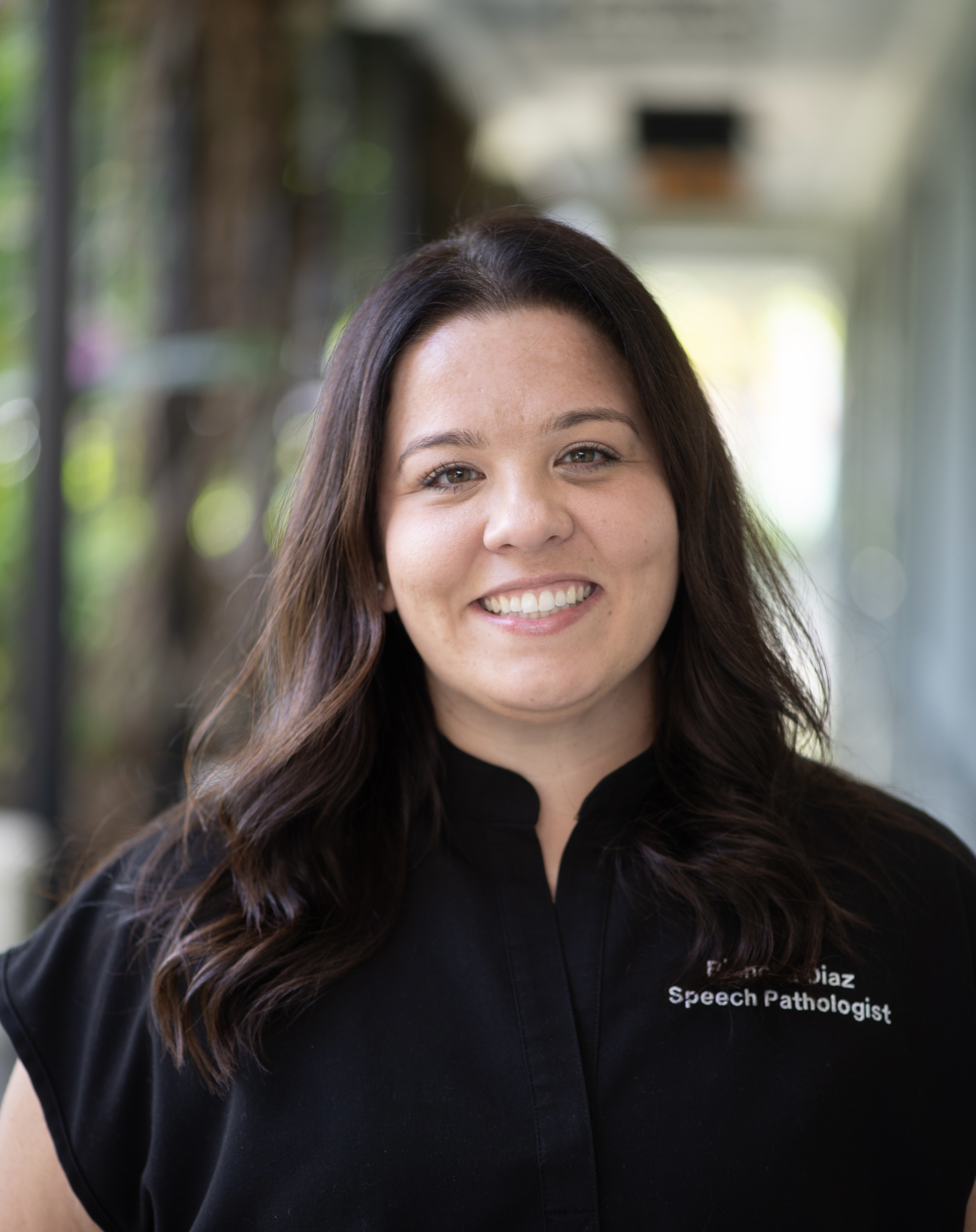
Biancha Diaz, MS, CCC-SLP, is a bilingual pediatric speech language pathologist specializing in feeding therapy. She is passionate about helping children build safe, positive relationships with food while supporting communication and sensory development. Biancha shares practical, real-life strategies for clinicians and caregivers through her platform @btheslp, where she blends evidence-based practice with creativity and everyday moments.
Related reading
- Understanding Food/Oral Aversions and How to Help
- Using Chew Tools in Oral Motor / Feeding Therapy
- 10 Tips for Kids Who Need to Chew - An Oral Sensory Diet
- Why Chewing Matters: How Chew Tools Support Sensory Needs